
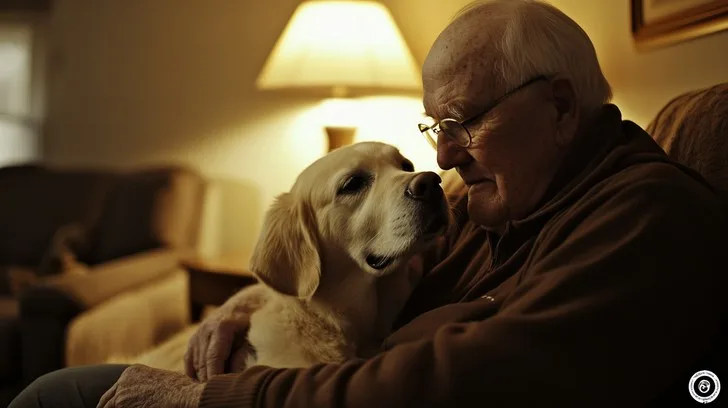
How Pets Support Mental Health Through Serious Illness, At Every Stage of their journey
A serious diagnosis lands on the mind as hard as it lands on the body. Anxiety, low mood, grief, and isolation often follow a chronic or life-limiting illness, and they deserve care just as much as physical symptoms do. For many people, one of the steadiest sources of that care has four legs and waits by the door.
At Bloom, we see every day how much animals give back to the people who care for them. The research agrees. Companion animals can be a meaningful part of emotional wellbeing through the hardest stretches of a person's life.
Why mental health matters during illness
Caring for your mental health is not a luxury alongside treatment. It is part of treatment. Psychological distress affects a large share of people living with serious illness, and supporting mental wellbeing is now recognized as central to overall care and quality of life.
This is where companion animals come in. They do not replace professional care, but they offer something hard to prescribe: steady, nonjudgmental presence.
What the research says about pets and wellbeing
A growing body of evidence links animal companionship to better mental health.
Lower stress and anxiety. Time spent with a calm, familiar animal is associated with reduced stress and lower cortisol, and many people report feeling noticeably calmer in an animal's company.
Reduced loneliness. Companion animals provide consistent social connection, which can buffer the isolation that often comes with a long illness or treatment cycle.
Mood support and routine. Caring for an animal offers gentle structure. Feeding, walking, and daily rhythms give shape and purpose to difficult days.
A reason to stay connected. Dog walks, vet visits, and shared routines pull people back into contact with their neighborhoods and communities.
These benefits appear across many conditions, which is why animal-assisted support now features in hospitals, hospices, and cancer-care settings.
How pets help at each stage of illness
At diagnosis. The early shock can bring numbness, fear, and grief. An animal's routine and affection offer an anchor when everything else feels uncertain, a reason to get up and a presence that asks nothing but company.
During treatment. Treatment can be exhausting and isolating, full of waiting. A pet provides comfort between appointments, a calming focus during anxious stretches, and steady company on hard days at home.
In ongoing and chronic care. For people managing long-term illness, animals supply consistency and gentle purpose, a daily relationship that does not revolve around being a patient.
Through palliative and end-of-life care. Even in the final stages, the comfort of a familiar animal can ease anxiety and bring peace. Therapy-animal programs appear in hospice settings for exactly this reason.
For caregivers and families. The people supporting a loved one carry their own load. Pets help caregivers decompress, stay grounded, and find moments of lightness amid stress and anticipatory grief.
Pets and grief
Grief does not only arrive at the end. It often begins at diagnosis, as people mourn the life they expected. Animals can be quiet companions through that process, offering comfort that needs no words and a steady presence as emotions rise and fall.
When to reach out for more support
Pets are a wonderful source of comfort, and they work best alongside human support rather than instead of it. If you or someone you love is struggling, reach out to a doctor, a mental-health professional, or a support group. Asking for help is a strength, and no one should navigate a serious illness alone.
The same comfort a companion animal brings to anyone facing a hard diagnosis, the steady routine, the calm presence, the reason to keep moving through difficult days, applies to people living with cancers like mesothelioma, an asbestos-related illness that carries a heavy emotional weight for patients and families. Condition-specific resources help too. The Lanier Law Firm has published a detailed guide on the mental-health impacts of mesothelioma, covering anxiety, PTSD, grief, counseling options, and coping strategies: Mental Health and Mesothelioma (external resource).
A small companion, a big difference
A serious illness touches every part of life. Through all of it, a companion animal can offer comfort, routine, and the grounding reminder that you are not alone. At Bloom, we are proud to connect people and pets, and to champion the wellbeing that connection brings.
This article is for general information and emotional-wellbeing support. It is not medical advice. If you are experiencing distress, please contact a qualified health professional.